
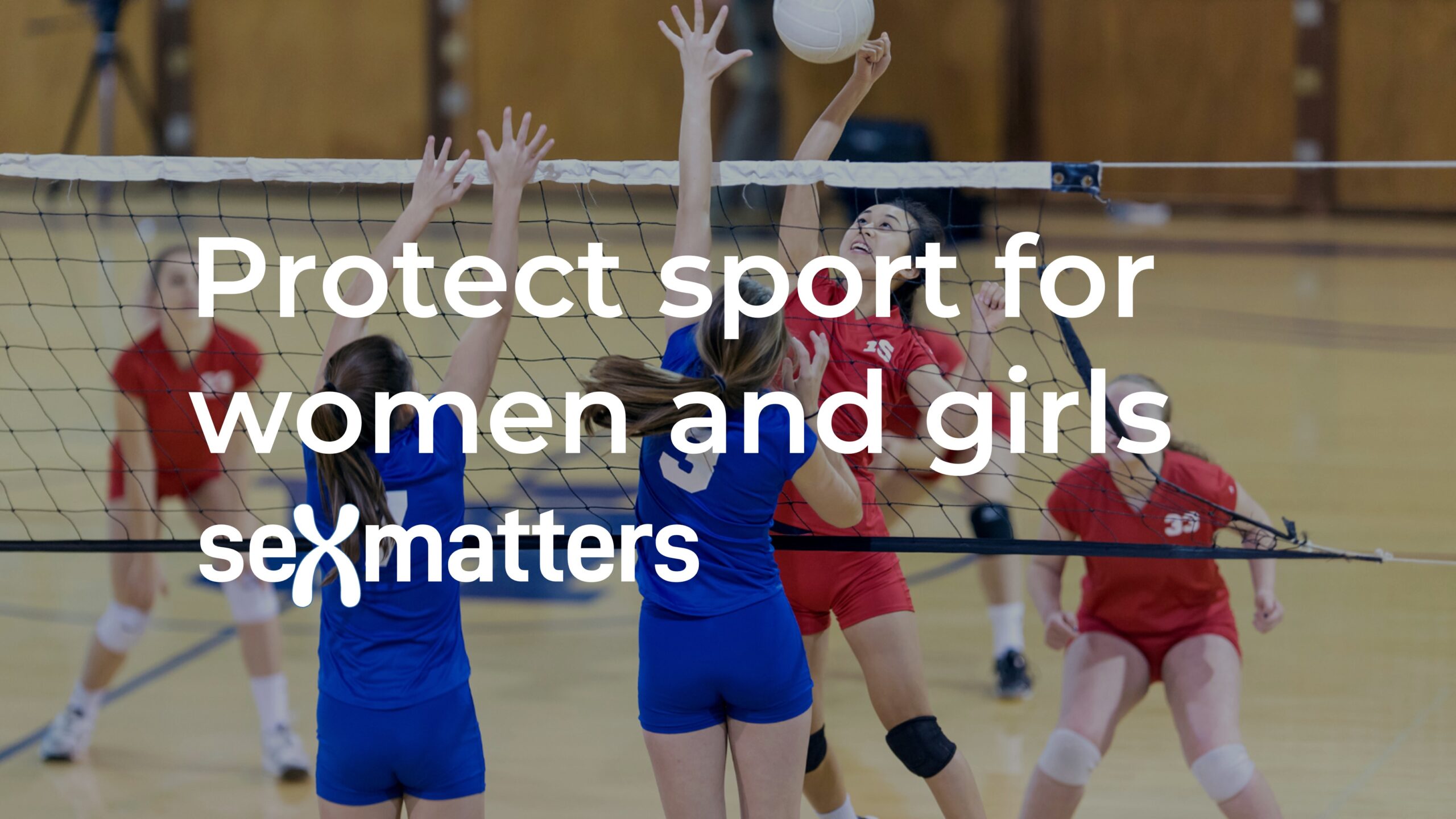
A quiet revolution is underway in British sport, led by groups demanding that the female category remains exclusively for biological females. The core issue? The increasing inclusion of males who identify as women, which activists argue undermines the principle of fair competition and threatens the safety of women and girls.
The Problem of “Inclusion”
The female category was established as an inclusion measure, giving women and girls a fair playing field in sports where male physical strength, stamina, and physique offer a competitive advantage. However, recent years have seen governing bodies adopt guidance prioritising “inclusion” over fairness, allowing male athletes to compete in the women’s category based on their self-identified gender.
This shift affects more than just elite competition. It impacts grassroots participation, recreational sports (like women-only swimming or cycling), and even access to single-sex changing rooms and toilets, causing discomfort and acting as a deterrent for many women.
A Legal U-Turn
The movement to restore fairness has gained significant legal weight. Key guidance from the UK Sports Councils now acknowledges that male inclusion in a women’s category in a sex-affected sport cannot be fair.
Crucially, the Equality Act 2010 is being utilized to support the position that sports can lawfully restrict the female category based on sex at birth. Furthermore, a recent Supreme Court judgment reinforces that a service labeled as single-sex, whether a changing room or a recreational club, must exclude the opposite sex entirely. Services described as “women including transwomen” are now viewed by campaigners as having no basis in law.
What’s the Solution?
For campaigners, the solution is straightforward:
-
Competition: Restrict the women’s category to those born female and establish an open category for all others.
-
Facilities: Enforce the single-sex nature of changing rooms and toilets, as the law does not permit them to be mixed-sex if they are labeled otherwise.
Advocacy groups are urging women to contact their sport’s governing bodies and local leisure centres. While major sports like swimming, athletics, and tennis have already moved to protect the female category, many others are lagging. The message is clear: without active pressure from participants, the policies risking fairness and female participation will remain in place.
The battle for women’s sport is moving from the playing field to the policy room, and the outcome will define the future of female athletic opportunity.
There is more on all of this at the Sex Matters website, click here to find out more.